In January 1925, an outbreak of deadly diphtheria threatened the remote town of Nome, Alaska. With hundreds ofyoung children critically ill and the town’s antitoxin supply depleted, local authorities faced a dire crisis. The nearest serum was hundreds of miles away, and temperatures plunged below -50°F (-45°C), grounding all aircraft.
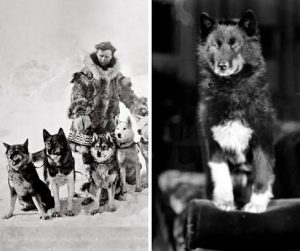
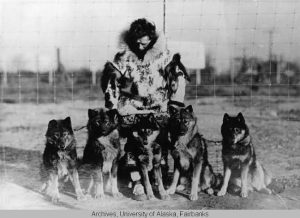
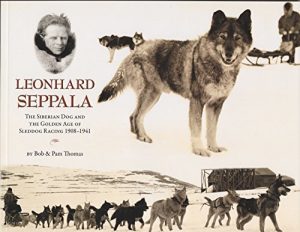
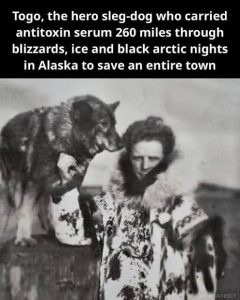
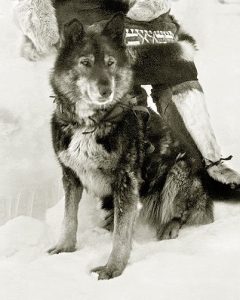
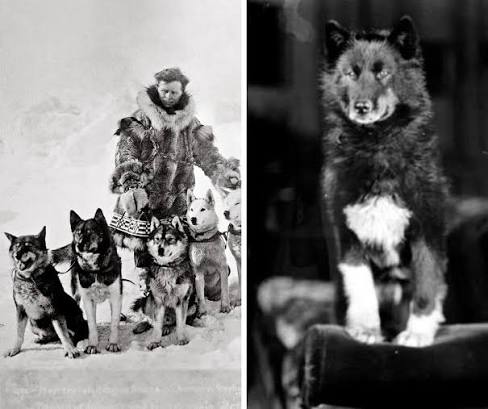
The only hope was a relay of dog sled teams racing across 674 miles of treacherous ice and snow, a mission known as the “Great Race of Mercy.” Gunnar Kaasen led the final leg of the perilous journey, placing his trust in Balto, a black-and-white Siberian husky who served as the lead dog.
In zero-visibility conditions, a violent blizzard knocked the sled upside down and scattered the medical vials into deep snowdrifts. Through Kaasen’s bare-handed search and Balto’s sharp instincts, the medicine was recovered intact. Despite severe frostbite and howling winds, Balto guided the exhausted team safely into Nome at 5:30 AM on February 2, 1925.
The life-saving antitoxin halted the epidemic within days, saving countless lives. Balto was hailed as an international hero, and his courage is immortalized by a bronze statue in New York’s Central Park.